Abidjan, West Africa: Area Guide, Getting There & Homes
Fetching weather details…
Abidjan is a destination in West Africa, Ivory Coast, known for urban. Plateau CBD, Cocody, St Paul's Cathedral, Banco Forest, economic capital.
Homes for sale in Abidjan →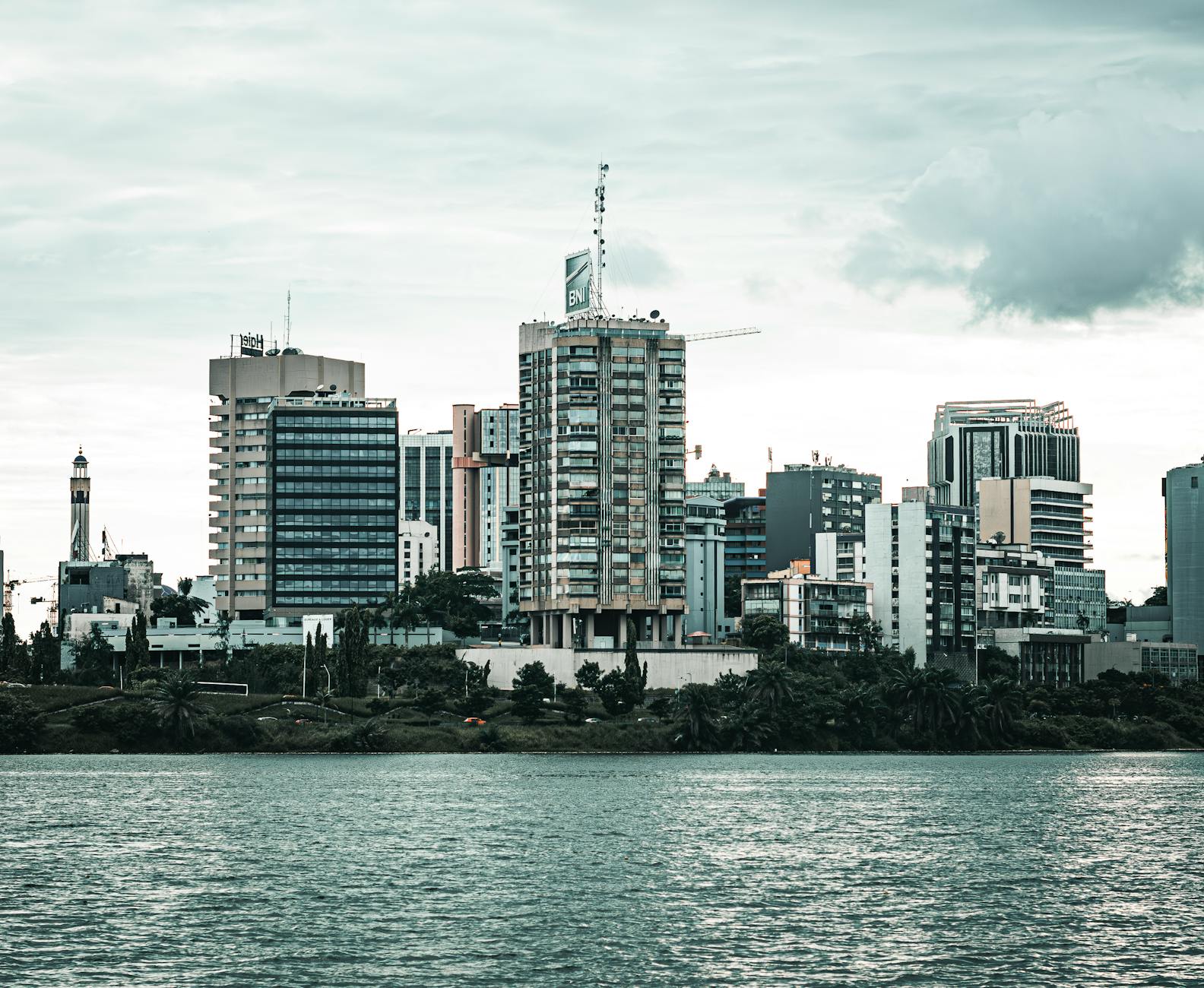
Key Details
Economic Hub
West Africa's dynamic economic capital, driving regional growth.
Urban Landscape
A sprawling metropolis with diverse districts and a vibrant street life.
Infrastructure Growth
Significant investment in transport and urban development enhances connectivity.
Cultural Melting Pot
Cosmopolitan city with a rich blend of local and international influences.
Real Estate Demand
Persistent housing shortage fuels consistent demand in key areas.
Attributes
Urban
Located in Abidjan
Connectivity
- Airport: Félix Houphouët Boigny International Airport
- Railway: Abidjan Central Station
- Highway: A1 Highway
Key Landmarks
- Cathedral: St. Paul's Cathedral
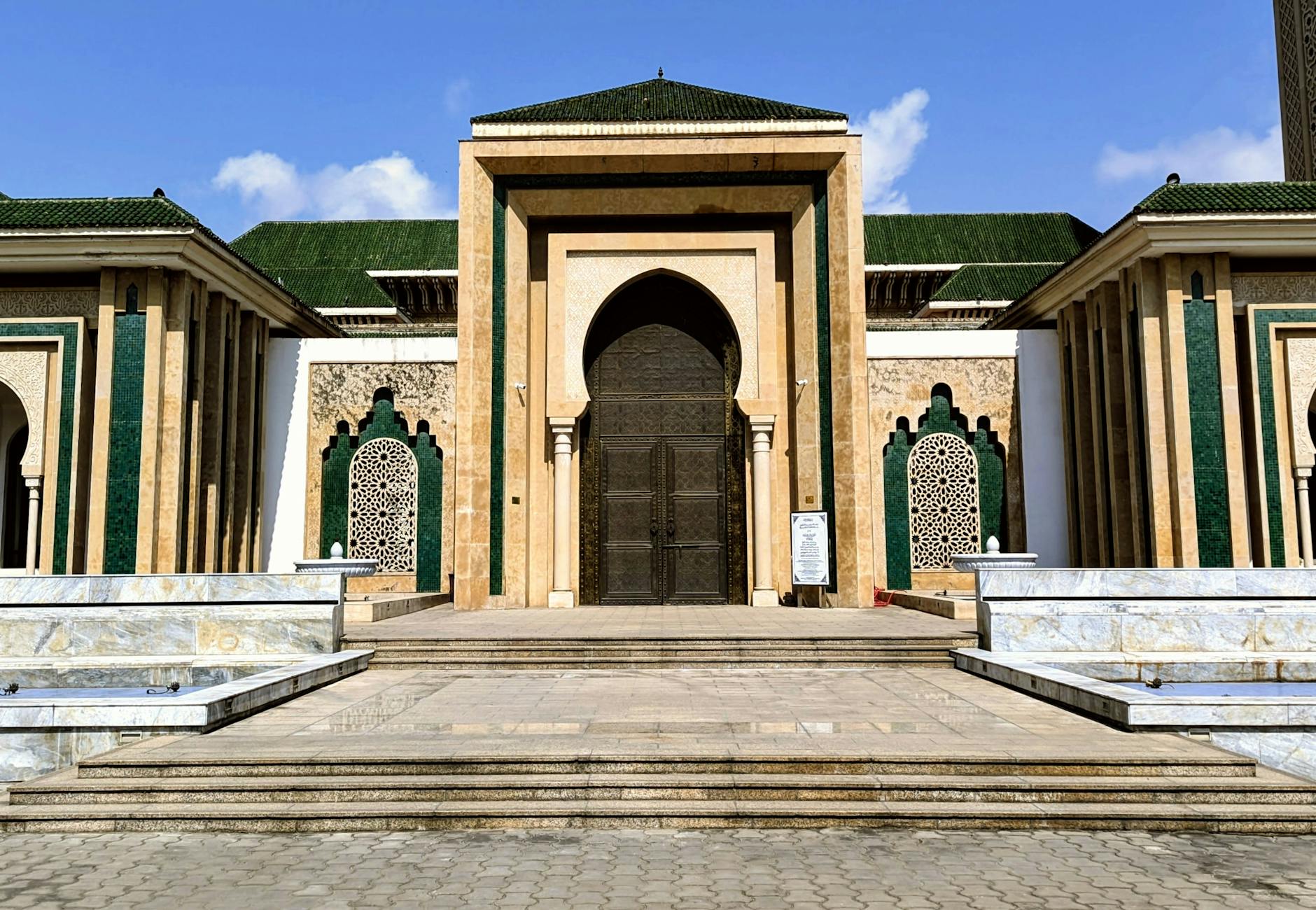
- Mosque: Abidjan Grand Mosque
- Park: Banco National Park
Key Investment Thesis
Growing Rental Market
With a significant expatriate population and a strong tourism sector, Abidjan's rental market offers attractive yields. The consistent influx of professionals and visitors ensures a steady demand for quality rental accommodations, supporting both short-term and long-term letting strategies.
Economic Diversification
Abidjan's role as a key economic hub in West Africa is strengthening through diversification beyond traditional sectors. This economic resilience attracts foreign investment and skilled professionals, further bolstering the demand for housing and commercial real estate.
Urbanization and Demand
As one of Africa's fastest-growing metropolitan areas, Abidjan's rapid urbanization drives continuous demand for housing. The city's appeal as a center for business, education, and culture draws people from across the region, ensuring a robust buyer and renter pool.
A Look into Abidjan:
Abidjan: Where West African dynamism meets urban sophistication.
Abidjan, the economic heart of Ivory Coast, pulses with a unique energy. This sprawling West African metropolis, situated along the Ébrié Lagoon, is a city of contrasts, from the modern skyscrapers of Le Plateau to the vibrant street life of Treichville. Founded in 1898, it has grown into a major port and a hub for commerce and culture. The city's strategic location and continuous infrastructure development, including new bridges and expressways, make it a critical gateway for the region.

What to Expect:
Experience the vibrant rhythm of Abidjan's daily life.
Life in Abidjan is a lively affair, characterized by a bustling urban pace and a warm, tropical climate. You'll find yourself navigating dynamic streets filled with a mix of modern vehicles and traditional modes of transport. The city's diverse neighborhoods offer distinct vibes, from the business-centric Plateau to the more residential areas like Cocody. Expect a rich culinary scene, with street food stalls offering local delicacies alongside more upscale dining options. The humid, equatorial climate means warm temperatures year-round, with distinct rainy and dry seasons.
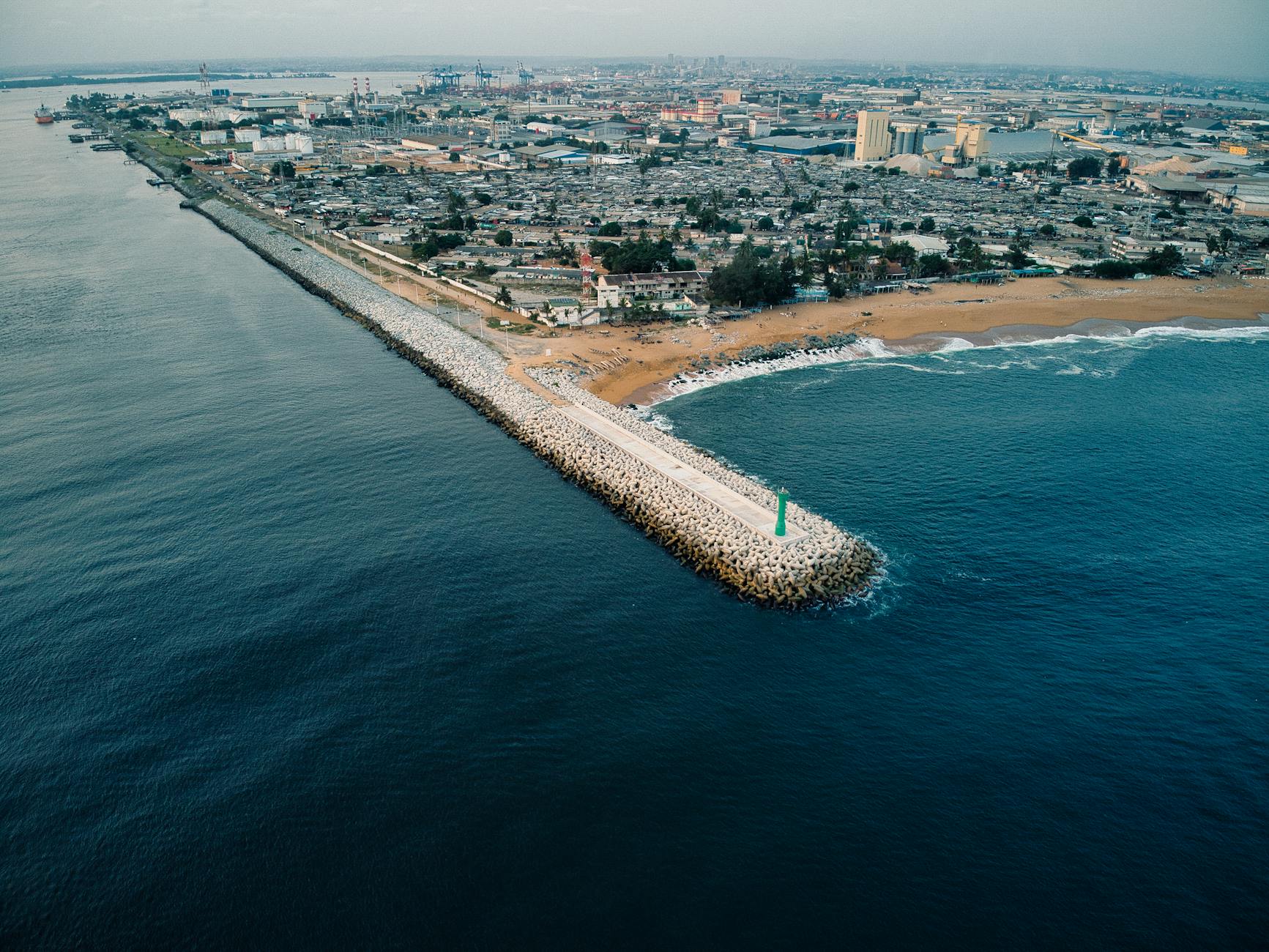

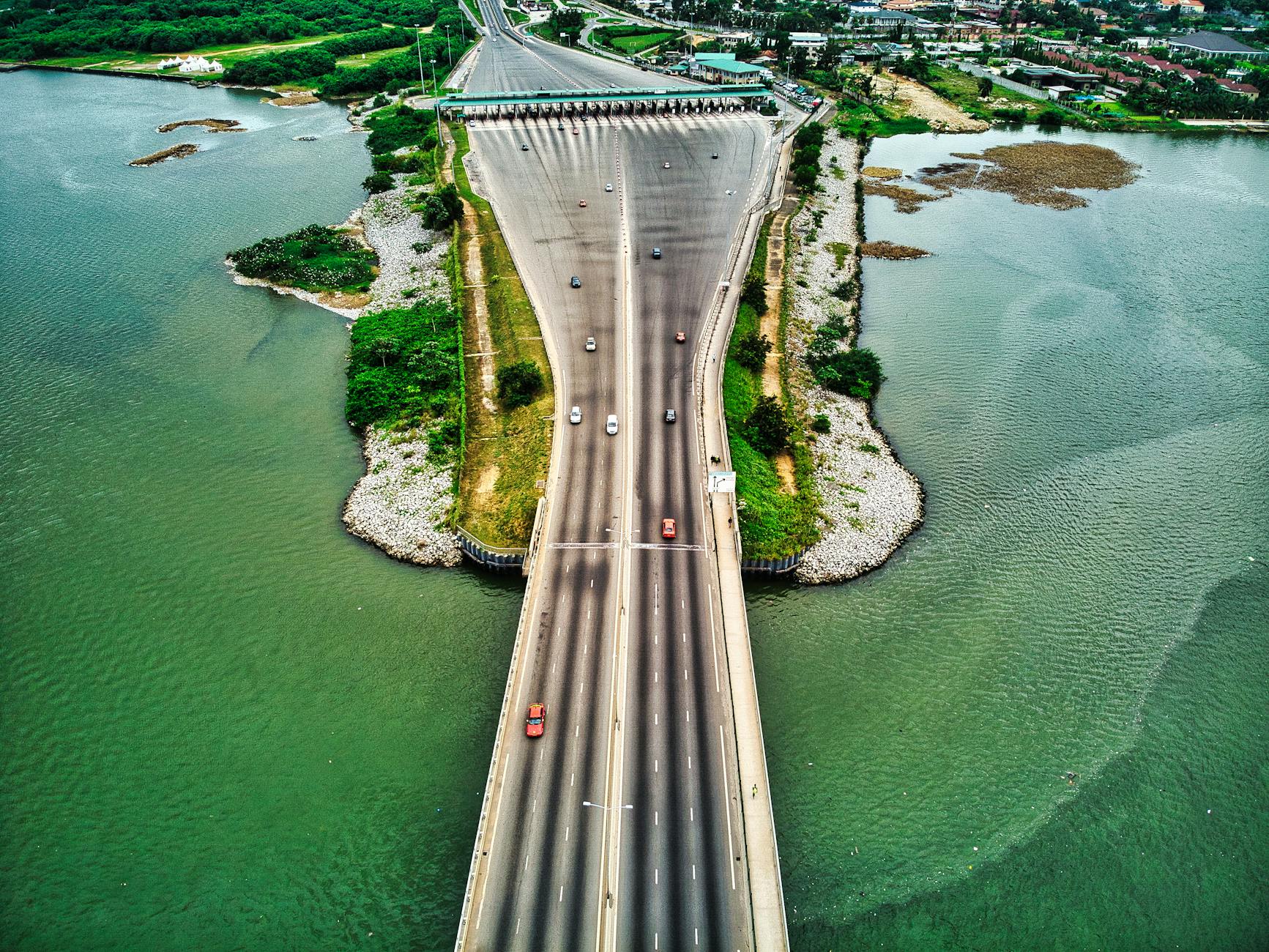
The Lifestyle:
Embrace Abidjan's energetic, cosmopolitan, and community-focused lifestyle.
Abidjan offers a lifestyle that's both energetic and deeply rooted in community. Daily life often revolves around bustling markets, lively discussions in cafes, and a strong appreciation for music and dance. The city's social scene is active, with numerous restaurants, bars, and cultural events. Despite its urban density, there's a palpable sense of community, especially in local neighborhoods. The warm climate encourages an outdoor lifestyle, with opportunities for socializing and enjoying the city's many offerings.
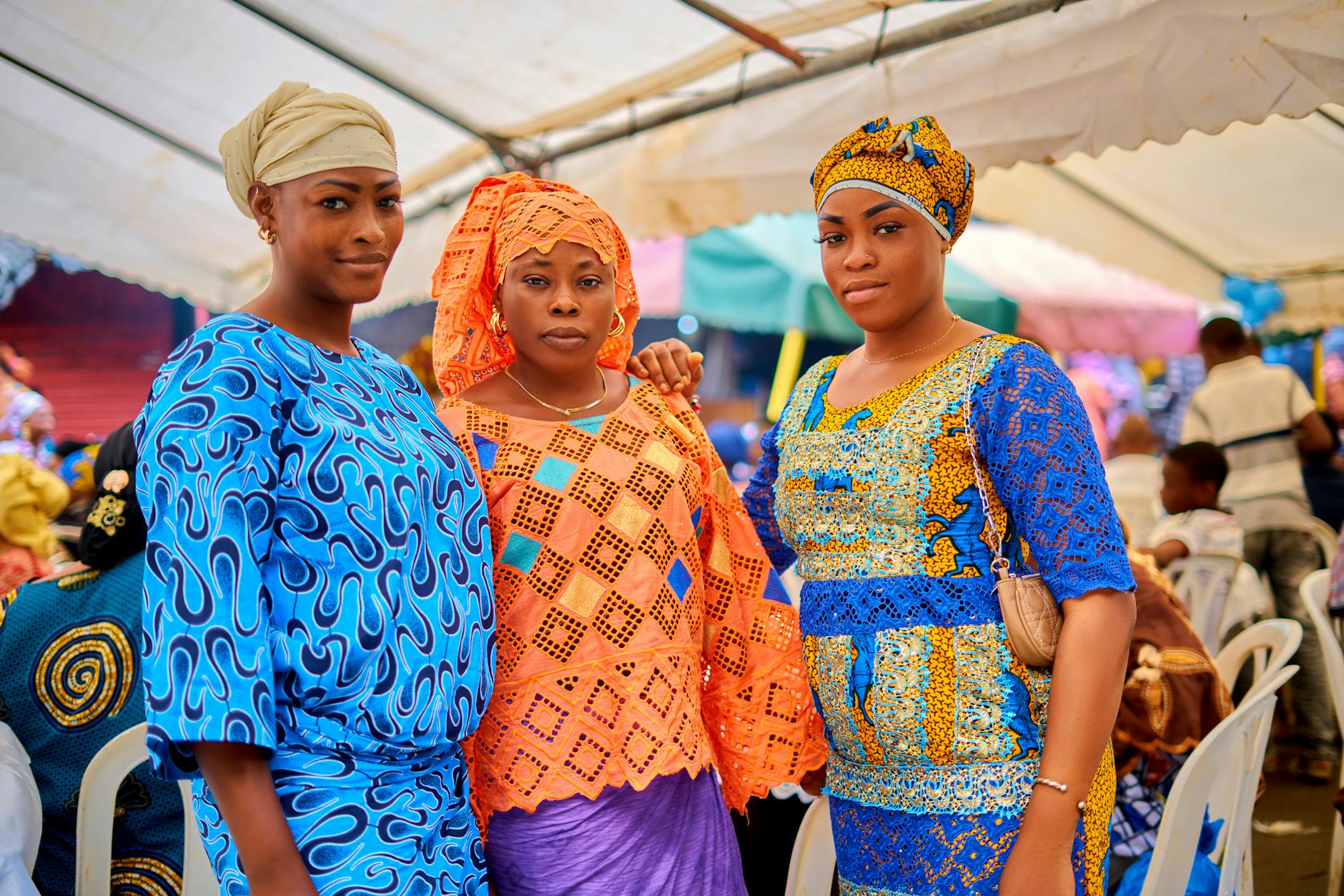
You'll Fall in Love:
Discover the captivating charm and dynamic spirit of Abidjan.
What truly captivates about Abidjan is its unyielding spirit and vibrant energy. It's a city that pulses with life, from the colorful chaos of its markets to the sleek modernity of its business districts. The warmth of its people, combined with the tropical climate, creates an inviting atmosphere. You'll be drawn to the unique blend of West African traditions and international influences, evident in its art, music, and cuisine. The city's resilience and continuous development, marked by impressive infrastructure projects, showcase a forward-looking dynamism that's truly infectious.
Nearby Attractions:
Explore Abidjan's rich cultural and natural attractions.
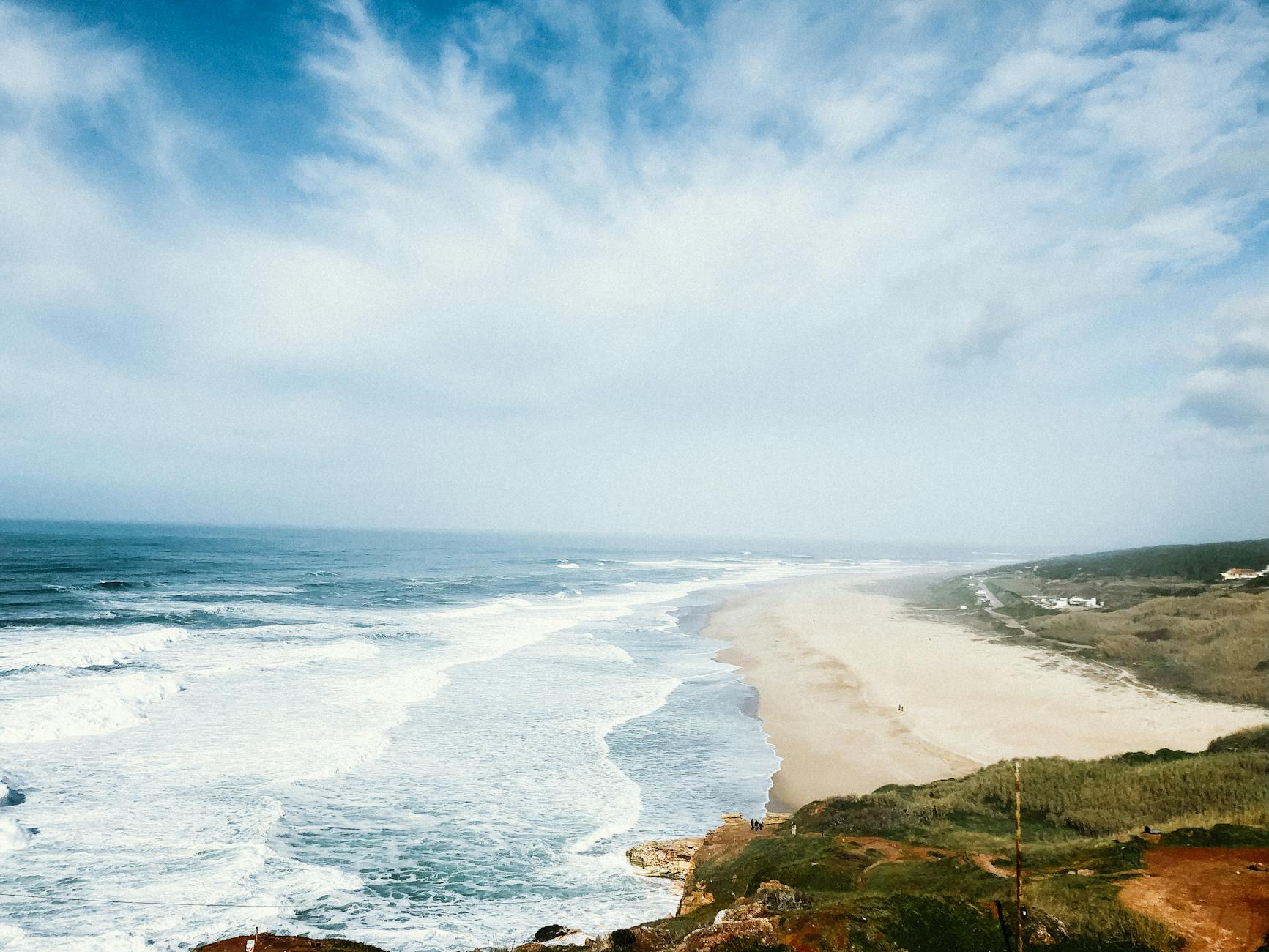
Abidjan is surrounded by a wealth of attractions that enhance its appeal for both residents and investors. The Banco National Park offers a green escape within the city, while Grand Bassam, a UNESCO World Heritage site, provides a glimpse into colonial history and beautiful beaches. These sites not only offer recreational opportunities but also contribute to the desirability of the area, potentially driving rental demand and property values. Their accessibility makes them key lifestyle amenities for those living in Abidjan.
| Attraction | Type | Highlight | Why It Matters |
|---|---|---|---|
| Banco National Park | Park | Urban rainforest with diverse flora and fauna. | Offers a natural retreat, enhancing the quality of life for residents and attracting eco-tourists. |
| Grand Bassam | Historic Town/Beach | UNESCO World Heritage site with colonial architecture and beaches. | A major tourist draw, boosting local economy and providing a desirable weekend getaway for residents. |
| Musée des Civilisations de Côte d'Ivoire | Museum | Showcases Ivorian history, art, and culture. | A cultural anchor that attracts visitors and enriches the local community's understanding of heritage. |
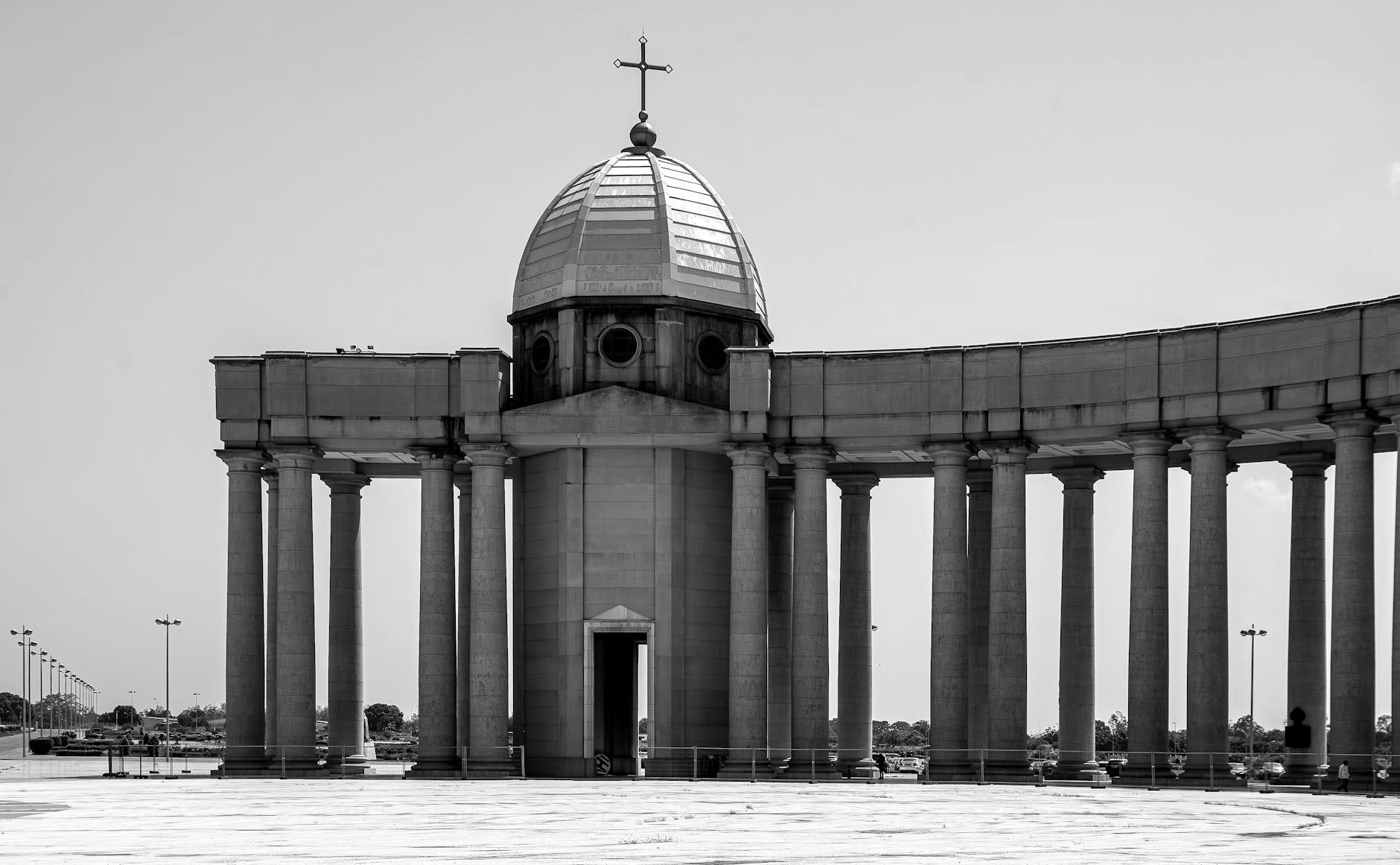
| St. Paul's Cathedral | Cathedral | Iconic modern architectural landmark. | A significant landmark that draws visitors and adds to the city's architectural appeal. |

Schools & Education:
Educational institutions serving Abidjan's diverse population.
Abidjan offers a range of educational options catering to its international and local communities. The presence of reputable international schools, such as ICSA and Lycée Français Blaise Pascal, is a significant draw for expatriate families and professionals, directly influencing rental demand in surrounding areas. These institutions provide diverse curricula, from American-style to French, ensuring quality education and contributing to the city's appeal as a place to live and work.
| School | Type | Why It Matters |
|---|---|---|
| International Community School of Abidjan (ICSA) | International | Attracts expatriate families, driving demand for rental properties in its vicinity. |
| Lycée Français Blaise Pascal | French National | Serves the French expatriate community, boosting demand for family-sized rentals. |
| International Bilingual Schools of Africa (IBSA) | International | Offers bilingual education, appealing to a broad range of international families seeking diverse educational options. |
| WAAPC American School | International | Provides an American curriculum, catering to families seeking familiar educational standards and supporting rental demand. |
Healthcare:
Key medical facilities for residents and visitors.
Abidjan is served by a network of hospitals and clinics, ensuring access to essential healthcare services. Facilities like Polyclinique Internationale Sainte Anne-Marie and Polyclinique de l'Indénie offer specialized care, making the city more livable for residents and attractive for long-term visitors. The presence of reliable healthcare infrastructure is a crucial factor for property investment, as it enhances the overall quality of life and can influence demand from families and older demographics.
| Hospital | Type | Specialty | Why It Matters |
|---|---|---|---|
| Polyclinique Internationale Sainte Anne-Marie | Private | Multi-speciality | High-quality medical services enhance the area's livability, attracting residents and supporting property values. |
| Polyclinique de l'Indénie | Private | Multi-speciality | Provides comprehensive medical care, contributing to the neighborhood's appeal for families and expatriates. |
| Hôpital Militaire d'Abidjan (HMA) | Government/Military | Multi-speciality | Offers advanced medical services, benefiting both military personnel and the general population, and adding to healthcare capacity. |
| Masroor Centre for Healthcare | Private | Multi-speciality | A new, modern facility that will increase healthcare access and quality in its service area. |
Dining & Cafés:
A taste of Abidjan's diverse culinary scene.
Abidjan's dining scene is as vibrant and diverse as the city itself, offering everything from authentic Ivorian street food to sophisticated international cuisine. Neighborhoods like Cocody and Marcory are known for their culinary hotspots. The variety and quality of dining options significantly enhance the lifestyle appeal, making Abidjan an attractive destination for food lovers and contributing to its draw for tourists and potential long-term residents, which in turn supports rental demand.
| Restaurant | Cuisine | Price | Why It Matters |
|---|---|---|---|
| Restaurant Chez L'Ours | Ivorian | $ | Popular local spot, driving footfall and enhancing neighborhood vibrancy for rental appeal. |
| Le Toit d'Abidjan | French/Seafood | $$ | Upscale dining attracts a discerning clientele, boosting the area's prestige and rental draw. |
| Bière-Bar | African/Grill | $ | A lively social hub that contributes to the neighborhood's energetic atmosphere and rental appeal. |
| Restaurant La Cascade | International | $$ | Offers diverse international options, appealing to expatriates and tourists, thus supporting rental demand. |
Geography Profile:
Abidjan's coastal setting on the Ébrié Lagoon.
Abidjan is strategically located on the southern coast of Ivory Coast, hugging the shores of the Ébrié Lagoon. This unique geography, with the lagoon separated from the Gulf of Guinea by the Vridi sandbar, shapes the city's layout and climate. This coastal position influences its tropical climate and provides natural beauty, with the lagoon playing a central role in the city's identity and transportation.
| Parameter | Value |
|---|---|
| Terrain Type | Plateau with some hilly areas |
| Water Bodies | Ébrié Lagoon, Gulf of Guinea |
Soil & Ecology:
Tropical rainforests and agricultural lands shape the region's ecology.
The region around Abidjan was historically covered by dense tropical rainforests, though much of this has been cleared for agriculture and urban development. The soil types are characteristic of tropical environments, supporting a rich biodiversity. Key areas like Banco National Park preserve remnants of this original ecosystem, showcasing diverse flora and fauna. The surrounding cultivated forest zones, particularly along the eastern border, are crucial for plantations, highlighting the interplay between natural resources and economic activity in the region.
Climate Snapshot:
Warm and humid year-round with distinct rainy and dry seasons.
Abidjan experiences a tropical climate, characterized by high temperatures and humidity throughout the year. It has two distinct rainy seasons, with peaks in May-June and October-November, and two dry seasons. The 'hotter, dry period' typically runs from December to February, influenced by the harmattan wind. Temperatures are consistently warm, rarely dropping significantly, making it suitable for outdoor activities during the drier months. Annual rainfall is substantial, contributing to the lush vegetation.
| Parameter | Value |
|---|---|
| Air Quality | Moderate |
| Best Outdoor Season | Dec-Mar |
| Monsoon Months | Apr-Nov (with peaks in May-Jun, Oct-Nov) |
Legal Ownership (Ivory Coast):
Foreign buyers can purchase urban property freely under Ivory Coast's property code
Ivory Coast's property framework is governed by the Code Domanial et Foncier. Foreign nationals can buy urban residential property with relatively few restrictions. The critical requirement is ensuring the property carries a valid titre foncier rather than informal or customary tenure, which is common in practice. Rural land is governed by the Code Foncier Rural and involves more complex customary rights. Foreign investors are generally welcomed, especially in Abidjan. All transactions must go through a licensed notary.
Laws change. Always consult a licensed real estate attorney before purchasing.
| Buyer Type | Permitted | Tenure | Conditions | Approval |
|---|---|---|---|---|
| Ivorian citizen | Yes | Freehold (titre foncier) | Standard process | Notary and Direction General des Impots |
| Foreign national (urban property) | Yes | Freehold (titre foncier) | Must ensure valid land title; notary mandatory | Direction General des Impots (registration) |
| Foreign national (rural land) | Conditional | Leasehold or conditional freehold | Customary land rights create complexity; legal advice essential | Relevant authority under Code Foncier Rural |
Capital Gains Tax:
Ivory Coast imposes a 15 percent capital gains tax on property gains under the Code General des Impots. Own and occupy the property as your primary residence for 5 years and you may qualify for an exemption. There is no short-term versus long-term distinction; 15 percent applies uniformly. Gains are net of acquisition cost with limited deductions.
We are confirming the capital gains rates for this location against the official schedule, so they are not shown here yet. Check with the local registry office, or a local lawyer, for the figure that applies to a specific property.
Stamp Duty & Registration:
Ivory Coast charges a registration fee of 4 to 8 percent depending on property type. Notary fees add 1 to 2 percent, bringing total buyer-side costs to 6 to 10 percent, high for West Africa. A notary is mandatory and registration goes through the Direction General des Impots. Confirm a valid titre foncier before proceeding.
We are confirming the stamp duty and registration rates for this location against the official schedule, so they are not shown here yet. Check with the local registry office, or a local lawyer, for the figure that applies to a specific property.
Frequently Asked Questions
Yes, Abidjan presents a compelling investment case in 2026 due to its persistent housing shortage, ongoing infrastructure development, and status as a key economic hub. These factors create a strong demand environment for property, supporting both rental income and capital appreciation.
Local Insights & Discussions
Ask a question or share a local tip about Abidjan
Be respectful and constructive in your comments.
Buying or selling in Abidjan?
Tell us once. Our team connects you with the right homes, or the right buyers.